
Arjun Khakhar
My group focuses on using synthetic control systems to re-engineer plants, filamentous fungi, and viruses. I am passionate about fighting global hunger and malnutrition. My major hobbies are cooking, making art, and reading. Science fiction is my favorite genre and I love that my job gives me the opportunity to bring some of the things I have read about closer to reality.
Biomarkers and Precision Medicine US 2025
Biomarkers & Precision Medicine US takes place on October 27 – 28 in San Francisco, CA. Running across two full days, with 15 tracks across three dedicated programmes it’s the must attend event for those involved in bringing next-generation personalized treatments to market.
In 2025, the event will feature three core programs:
- Biomarkers – Focusing on the discovery, validation, and application of biomarkers and diagnostics in personalized healthcare.
- Spatial Biology for Precision Medicine – Highlighting the importance of spatial insights in the development of precision therapies.
- Digital Pathology & AI – Exploring the integration of digital pathology and artificial intelligence in transforming clinical diagnostics.
The Biomarkers, Spatial Biology for Precision Medicine, and Digital Pathology programmes come together to create a must attend event. The programme offers opportunities to showcase the latest innovations, meet and collaborate with over 1000 senior biomarker and precision medicine scientists from the pharma and biotech industry.
Register now and book your complemetary place at the event- it includes access to over 100 presentations, opportunities to network with 80+ exhibitors, refreshments and drinks reception.
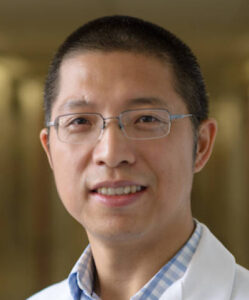
Yousong Ding
Dr. Yousong Ding received his B.S. in Applied Chemistry from Peking University in 2000, his M.S. in Chemistry (Advisor: Prof. Liangcheng Du) from the University of Nebraska–Lincoln in 2004, and his Ph.D. in Medicinal Chemistry from the University of Michigan–Ann Arbor in 2010, where he trained under Professor David Sherman. He subsequently completed postdoctoral research with Professor Frances Arnold at Caltech. In 2012, Dr. Ding returned to Michigan to join Pfizer Inc. (Kalamazoo, MI) before beginning his independent academic career at the University of Florida in July 2013. He is currently a Professor of Medicinal Chemistry at UF. Dr. Ding’s research group integrates synthetic biology, medicinal chemistry, microbiology, molecular biology, and microbiome engineering to discover and develop bioactive natural products that address current and emerging medical challenges. At UF, he has published over 60 peer-reviewed papers and filed more than 20 invention disclosures. He is also a frequent reviewer for funding agencies including the NIH, NSF, and others.
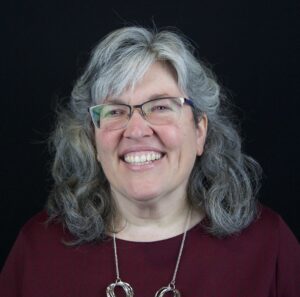
Catherine McCarthy
Catherine McCarthy serves as the Director of the National Informal STEM Education Network (NISE Network) and is Project Manager Senior for the Arizona State University Center for Innovation in Informal STEM Learning (CIISL) in the School for the Future of Innovation in Society. McCarthy has more than twenty years of experience developing, implementing, and studying STEM learning and public engagement on a variety of science and technology topics. The National Informal STEM Education Network (NISE Network) is a community of informal educators and scientists dedicated to supporting learning about science, technology, engineering, and math (STEM) across the United States.
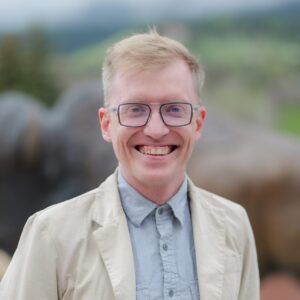
Cresten Mansfeldt
Cresten B. Mansfeldt is an Assistant Professor of Environmental Engineering at the University of Colorado Boulder, where he leads research at the intersection of synthetic biology, environmental microbiology, and wastewater surveillance and management. His work focuses on tracking and mitigating emerging contaminants, including synthetic biology products, within urban water systems. Prof. Mansfeldt has published extensively on microbial ecology, biotechnological risk, and post-fire water impacts, and actively bridges academic, regulatory, and community sectors to advance environmental resilience.
NextGen Biomed 2025
Join the global hub for biologics innovation at NextGen Biomed 2025, where the brightest minds in drug discovery and development come together to accelerate life-saving treatments. This transformative event unites six thriving communities on one platform, empowering over 1,000 R&D experts to collaborate, innovate, and deliver breakthroughs sustainably and at scale.
Programme Highlights:
• Proteins, Antibodies & ADCs
• Peptides, Oligonucleotides & Sustainability
• Immunotherapy & Immuno-oncology
• Vaccines
From dynamic panels and expert-led workshops to unparalleled networking opportunities, NextGen Biomed 2025 offers everything you need to stay ahead in biologics R&D. Register here.
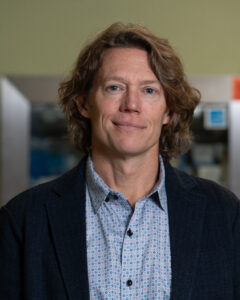
Vaughn Cooper
Vaughn Cooper, Ph.D. is an evolutionary biologist and microbiologist. He is currently Professor of Microbiology and Molecular Genetics, and Computational and Systems Biology, at the University of Pittsburgh, School of Medicine. He co-founded and until recently was Director of the Center for Evolutionary Biology and Medicine (CEBaM), which works to catalyze research and education at the interface of these disciplines. He’s also a Fellow of the American Academy of Microbiology, an elected Board member of the American Society of Microbiology (ASM), and is President-Elect of ASM in 2025-6. The Cooper laboratory studies how potential pathogens evolve to adapt to new hosts and environments, including by forming biofilm or gaining antimicrobial resistance. Recently, Dr. Cooper joined a team of scientists considering the potential risks of mirror life and is a board member of the Mirror Biology Dialogue Fund. We are proud to have founded EvolvingSTEM (http://evolvingstem.org), a comprehensive educational program that provides authentic classroom research experiences for thousands of middle and high school students in which they conduct a microbiology experiment that demonstrates evolution in action. The major goal of EvolvingSTEM is to help students see themselves as scientists and join the STEM workforce.
Dr. Cooper is also a co-founder and scientific advisor of SeqCoast Genomics, LLC and Middle Author Bioinformatics, LLC.
CRISPR Screening and Analysis
Wellcome Connecting Science presents this new two-part course offering applicants the opportunity to get hands-on with the latest CRISPR-cas technologies, at our CRISPR Screening and Analysis training course. Participants will gain skills and experience with large-scale pooled and arrayed screening, delivered by a training team of established and emerging scientists.
The virtual training will take place through July 28 to August 1, 2025, and will provide participants with an introduction to the CRISPR- Cas Toolkit, and tutorials and talks focused on resources, tools, and techniques for CRISPR screening. It will be followed up by our in-person course (September 21-26) which will focus more on the what, how, and why of CRISPR screening with intensive laboratory and computational sessions. The course will explore the application of CRISPR screens in the therapeutic areas of oncology, neurodegeneration, and immunology.
Applications close June 3, 2025.
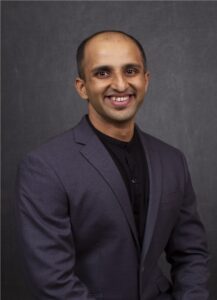
Aditya Sarnaik
I am currently an Associate Research Professional in the School for Sustainable Engineering and the Built Environment (SSEBE) at Arizona State University, based on the Polytechnic campus. I work at the Arizona Center for Algae Technology and Innovation (AzCATI), where I contribute to applied research in algal biotechnology and sustainable biomanufacturing.
With a background in Biotechnology and formal training in biochemical engineering, I specialize in bacterial metabolic and protein engineering, focusing on both photosynthetic and non-photosynthetic bacterial systems. Currently, I am collaborating with HelioBioSys Inc. (CA, USA) on the development of bioprocesses for the production of bio-based sunscreen components derived from cyanobacteria. This work spans the entire value chain—from scale-up cultivation to downstream process optimization—at a pilot scale of over 1,000 liters. We are now progressing toward industrial-scale trials at volumes of 12,000–15,000 liters, with the goal of enabling continuous production and biomass harvesting.
Beyond research and teaching, I enjoy creative and outdoor pursuits including music (particularly singing), hiking, and wildlife photography.
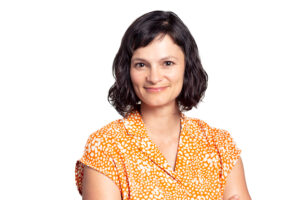
Neda Bagheri
Neda Bagheri earned her doctorate in Electrical Engineering from the University of California in Santa Barbara. Her focus on control theory and dynamics piqued her interest in biology. After completing a postdoc in Biological Engineering at MIT, she joined the Chemical & Biological Engineering faculty at Northwestern University where she founded the Modeling Dynamic Life Systems (MoDyLS) Lab. In 2019, she was recruited to both the University of Washington (where she holds a joint position in Biology and Chemical Engineering) and the Allen Institute for Cell Science. In recognition for her research accomplishments and vision, Bagheri was awarded a National Science Foundation CAREER Award (2017), a Distinguished Investigator by the Washington Research Foundation (2019), and a Senior Moulton Medal (2020). She has also been honored as a keynote speaker for both national and international conferences. She serves on multiple scientific advisory and editorial boards, guiding the frontier of multidisciplinary research.
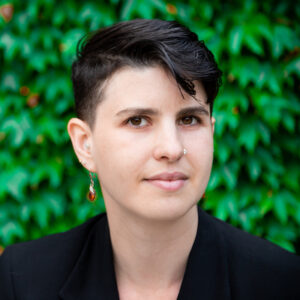
Erica Hartmann
Dr. Erica Marie Hartmann is an environmental microbiologist interested in the interaction between anthropogenic chemicals and microorganisms, as well as bio-inspired mechanisms for
controlling microbial communities. Her career began at the Johns Hopkins Bloomberg School of Public Health. She then moved to Arizona State University where she was the first graduate of the interdisciplinary Biological Design PhD program. She had two postdoctoral positions, the first, supported by a Fulbright, at the Commission for Atomic Energy in France. She began leading studies on antimicrobial chemicals and microbes found in indoor dust during her second postdoc at the Biology and the Built Environment Center at the University of Oregon. She is currently an associate professor at Northwestern University in the department of Civil and Environmental Engineering, with affiliations in Pulmonary Medicine and the Center for Synthetic Biology. She was awarded an NSF CAREER to support her work on antimicrobial textiles and is leading an investigation of the respiratory tract microbiome in the NIH-funded Successful Clinical Response In Pneumonia Therapy (SCRIPT) Systems Biology Center. She is further designing new antimicrobial strategies based on bacteriophages.
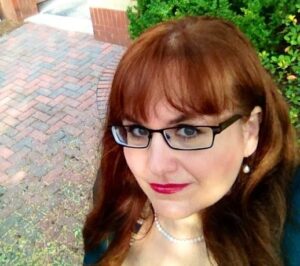
Margaret Kosal
Margaret E. Kosal is Professor (as of August 2025) of International Affairs at the Georgia Institute of Technology. Her research uses theories and concepts from the social sciences, primarily international relations, to explore relationships among science, technology, and security and to explain how these phenomena impact geopolitics and how geopolitics affects innovation. She focuses on two, often intersecting, areas: understanding the politics of emerging technologies and reducing the threat of weapons of mass destruction (WMD). She holds appointments as affiliated faculty in the Parker H. Petit Institute for Bioengineering and Bioscience and the Georgia Tech Institute for Matter and Systems (IMS). Formally trained as an experimental scientist, Kosal earned a doctoral degree in Chemistry from the University of Illinois at Urbana-Champaign (UIUC) working on biomimetic and nano-structured functional materials.
Kosal has served as a Senior Advisor to the Chief of Staff of the U.S. Army, as Science and Technology Advisor within the Office of the Secretary of Defense (OSD), and as an Associate to the National Intelligence Council (NIC). She earned a Ph.D. in chemistry from the University of Illinois at Urbana-Champaign (UIUC) and a B.S. in chemistry from the University of Southern California. She is also the co-founder of a sensor company, where she led research and development of medical, biological, chemical sensors and explosives detection. In January 2017, Kosal was appointed the Editor-in-Chief of the Cambridge University Press journal, “Politics and the Life Sciences.’ Her honors include being elected an Honorary Lifetime Fellow of the American Association for the Advancement of Science (AAAS). She is a champion of students as young scholars at the intersection of science, technology, and international affairs, and she is committed to bridging the academic-policy gap, as seen by her leadership on national and international advisory boards and committees.
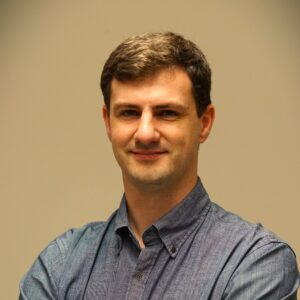
Edward Kalkreuter
Edward Kalkreuter started as an Assistant Professor in Chemistry & Biochemistry at Florida State University in 2024. He received his BS in Chemistry at Emory University and his PhD in Chemistry from North Carolina State University under Gavin Williams (engineering polyketide synthases and genetic biosensors). He then conducted his NIH postdoctoral fellowship under Ben Shen at Scripps Research, where he studied microbial natural product discovery, biosynthesis, and synthetic biology. His research group currently is focused on leveraging and developing synthetic biology techniques and strategies for the discovery of novel natural products and their chemistries.
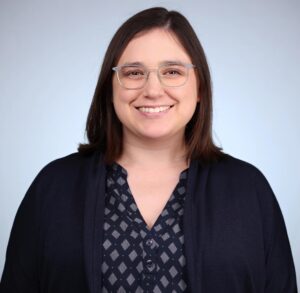
Taylor Nichols
Taylor is an accomplished scientist and engineer with over a decade of experience across academia and industry developing strategic research initiatives, managing collaborative projects, and driving technical project management. As the Director of Research for Northwestern University’s Center for Synthetic Biology (CSB), her responsibilities include working with CSB leadership, faculty, and staff to help grow the research capacity of the Center and provide strategic direction for new research endeavors and partnerships. She also contributes to long-term planning in support of the Center’s education, research, and outreach missions. Taylor holds a PhD in Chemical and Biological Engineering from Northwestern University where she worked in the lab of Danielle Tullman-Ercek. Her dissertation research focused on engineering bacterial microcompartments (MCPs) for the encapsulation of non-native metabolic pathways, notably developing a genomic integration platform to control cargo encapsulation in MCPs. She earned her Bachelor of Science in Chemical Engineering with a minor in Biochemical Engineering at Northeastern University.
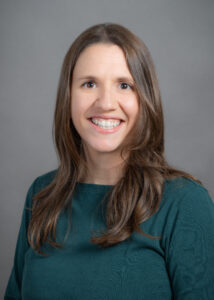
Lauren Rajakovich
Lauren received her B.S. in Chemistry from Wake Forest University in 2011, working in the laboratory of Patricia Dos Santos. Lauren earned her Ph.D. in Biochemistry, Microbiology, and Molecular Biology from the Pennsylvania State University in 2017. She trained in the joint laboratory of Marty Bollinger, Jr. and Carsten Krebs, studying the mechanistic and functional diversity of non-heme diiron oxidases and oxygenases. Lauren did her postdoctoral training with Emily Balskus at Harvard University as a Merck fellow of the Helen Hay Whitney Foundation. Her research focused on dietary nutrient metabolism by the human gut microbiota linked to cardiovascular disease. She started her independent research group in the Department of Chemistry at the University of Washington in January 2022. The goal of her research program is to uncover the biochemical and molecular basis for host-microbe interactions, microbial community dynamics, and microbial environmental adaptation. We use protein biochemistry, microbiology, and bioinformatics to discover, characterize, and engineer microbial pathways and enzymes for applications in biocatalysis, bioremediation, and biomedical applications.
Biomarkers & Precision Medicine UK 2025
Biomarkers and Precision Medicine 2025 is an immersive event now in its 20th year, spotlighting the latest trends and tools in biomarker research. This year’s agenda also includes dedicated programmes on Spatial Biology for Precision Medicine and Digital Pathology & AI. The event gathers leading experts from global pharmaceutical companies, pioneering biotech firms & startups, and leading academic & healthcare institutions, all contributing to various therapeutic areas and stages of drug development, clinical trials, and precision patient treatments.
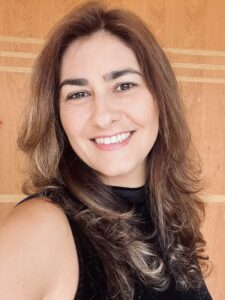
Daniela Matias de Carvalho Bittencourt
Dr. Daniela Matias de C. Bittencourt is a researcher at Embrapa Genetic Resources and Biotechnology and an adjunct researcher at the J. Craig Venter Institute. With over 17 years of experience at Embrapa, including four years in research and innovation management, she has led strategic projects in synthetic biology and advanced biotechnology for sustainable agriculture. Daniela has coordinated national R&D networks, managed research initiatives, and currently serves as a member of high-level advisory and portfolio management committees at Embrapa. Her work bridges cutting-edge science and public policy, with a strong focus on innovation, biosecurity, and the future of agriculture in the context of global challenges.
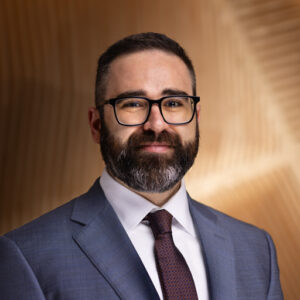
Ashty Karim
Ashty Karim is an assistant professor of Chemical and Biological Engineering at Northwestern University. With a foundation in chemical engineering and synthetic biology, he has worked in cell-free systems for >10 years at the intersection of biology and chemistry developing technologies to efficiently harness biological systems to convert waste to value. His research group develops biological molecules, systems, and processes to enable global sustainability, with a particular focus on increasing our ability to biorecover resources from waste, biorecycle waste materials, and biocapture waste carbon. He earned his B.S. degrees in Chemical Engineering and in Biology from the University of Texas at Austin and received his Ph.D. in Chemical Engineering from Northwestern University. Embracing the academic mission of developing both knowledge and people, Ashty has also spent the last several years co-developing new educational frameworks, courses, and workshops for learning and teaching synthetic biology.
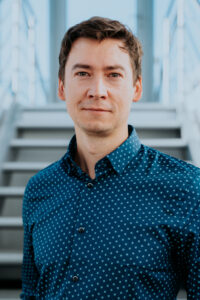
Pavel Dvořák
Pavel Dvořák, Ph.D.
He is currently an associate professor at Masaryk University (MUNI), Brno, Czech Republic, and group leader at the Microbial Bioengineering Laboratory (MBL).
Pavel Dvořák is a molecular biologist by training. During his Ph.D. studies (completed in 2014), he worked in the protein engineering group of Jiri Damborsky (Loschmidt Laboratories) on the design of synthetic enzyme cascades for the degradation of halogenated anthropogenic pollutants in vitro and in heterologous bacterial hosts.
Pavel conducted his postdoctoral research (2015 – 2018) as a Marie S. Curie fellow in the laboratory of Víctor de Lorenzo at CNB-CSIC, Madrid, where he focused on microbial metabolic engineering and synthetic biology, working on the refactoring of Pseudomonas putida for the biotechnological processing of carbohydrates from lignocellulosic residues.
In 2019, Pavel established the MBL at MUNI, and since then, he has continued to push the boundaries of mesophilic and thermophilic environmental bacteria for biotechnology using tools of synthetic biology and metabolic engineering.
Pavel is involved in teaching, mentoring, science popularization, and local SynBio community building. He is one of the PIs of the successful Brno iGEM team, a member of the Bioengineering and Bioprocessing Division of the European Federation of Biotechnology, a member of the Early Career Committee of the International Metabolic Engineering Society (IMES), and an EUSynBioS Advisory Board member. He promotes engineering biology in the Czech Republic. He recently founded the web platform Czech SynBio Node, which aims to unite laboratories, companies, and other local partners interested in engineering biology.