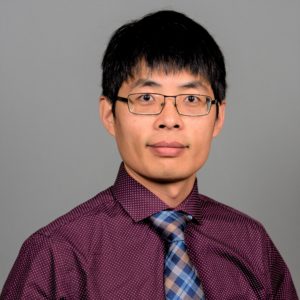
David Truong

The Truong lab at New York University Tandon School of Engineering uses principles from synthetic and systems biology, cell fate reprogramming, epigenetics, and immunology. He and his team “rewrite” the human genome in induced pluripotent stem cells (iPSCs) to build cell therapies and regenerative medicine. The group is developing an off-the-shelf chassis iPSC that can be given to any person without immune rejection. This chassis iPSC will enable large-scale restructuring of the human genome, introduction of large and more sophisticated genetic circuits for cell programming, and the production of any somatic cell for living therapies. The group currently focuses on developing programmable off-the-shelf Dendritic Cells from human iPSCs as an immunotherapy platform.

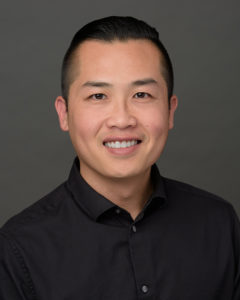
Nicole Buan

Nicole Buan is a Professor of Biochemistry at the University of Nebraska-Lincoln and has broad expertise in microbial physiology, metabolism, and redox biochemistry. Dr. Buan recently co-founded the Archaea Power Hour virtual seminar series and serves as Associate Editor for Applied Environmental Microbiology and Frontiers in Microbiology (Microbial Physiology and Metabolism) journals. Dr. Buan began research as a high school student in Tucson, Arizona, where she did undergraduate thesis research on ATP-independent molecular chaperone proteins in plants under the supervision of Dr. Elizabeth Vierling at the University of Arizona. She received her PhD from the University of Wisconsin-Madison, where she was a Howard Hughes Predoctoral Fellow in the lab of Jorge Escalante-Semerena. There, she made key contributions to understanding protein:protein interactions involved in coenzyme B12 synthesis in Salmonella, discovered the only known iron-sulfur-cluster-containing B12 adenosyltransferase enzyme, and investigated the use of B12 mimics as chemotherapeutic “Trojan horses”. Her graduate work was recognized by the Department of Bacteriology Herman Smythe Award for Outstanding PhD research. As a NIH Kirschstein Postdoctoral Fellow in the laboratory of William Metcalf at the University of Illinois, Dr. Buan received training in methanogen genetics and characterized the terminal oxidase heterodisulfide reductase enzymes. At Nebraska, Dr. Buan and her students study redox biochemistry, systems, and synthetic biology in archaea, bacteria, and plants on various projects funded by NSF, NIH, USDA, Nebraska Center for Energy Sciences Research, Nebraska Corn Board, and the Water Environment Reuse Foundation. Buan lab research has been awarded two patents, and Dr. Buan is the owner of two biotech startups.
Climate and Sustainability Roadmap Virtual Writing Workshop 8: January 28th

Friday, January 28th, 2021
12:00pm – 6:00pm Eastern | 9:00am – 3:00pm Pacific
***NOW VIRTUAL***

Note: due to the current COVID situation, this workshop has been changed to a virtual event.

The workshop will focus on drafting our technical research roadmap to advance engineering biology tools and technologies that respond to the urgency of the climate crisis and promote long-term sustainability.

This workshop is by invitation only.

Register Here
Registration closes January 18, 2022

Agenda: Coming Soon!

Workshop Objectives

  • Descriptions of enabling and/or transforming tools and technologies for each of the Roadmap’s previously identified technical themes: Large-scale Biosequestration of Greenhouse Gases; Climate Change Mitigation and Adaptation in Application Sectors (Food/Ag, Transportation & Energy Production, Materials Production); Conservation of Ecosystems and Biodiversity; Enabling Sustainable Industrial Processes; and Mitigating Environmental Pollution.
  • Drafting a set of research plans, with specific waypoints, to develop and scale these tools and technologies to address climate and sustainability challenges in a timely, sustainable, and equitable way.
  • Consider the impacts these technologies might have on biodiversity and the environment; consider social dimensions and non-technical challenges, such as security, policy, and regulations.

For more information about the roadmap or workshop, please contact Sifang Chen (roadmap@ebrc.org)


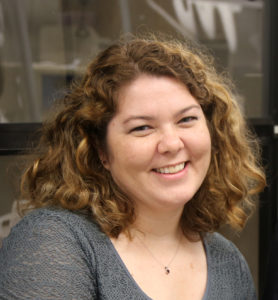
Xiaojun Tian

Dr. Xiaojun Tian received his Ph. D. degree in systems biology from Nanjing University in 2012 and spent five years as a postdoctoral fellow at Virginia Tech and the University of Pittsburgh. In 2017, he joined the School of Biological and Health Systems Engineering at Arizona State University to start his lab and synthetic biology research. His lab has made outstanding achievements with several publications at Nature Chemical Biology, Nature Communications, and ACS synthetic biology. In addition, he recently received the NIH Maximizing Investigators’ Research Award (MIRA) award.