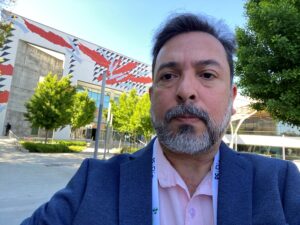
Luis Joel Figueroa-Yáñez

PhD. Luis Joel Figueroa-Yáñez is Researcher class A, repatriated, belongs to the National System of Researchers (Level I), assigned to the Center for Research and Assistance in Technology and Design of Jalisco State (CIATEJ), México.
He has a Bachelor’s degree in Biology from the Universidad Veracruzana, a Master’s degree in Bioethics from the Universidad Anáhuac, a PhD in Biological Sciences from the Yucatán Scientific Research Center and a postdoctoral degree at the Donald Danforth Plant Science Center, St. Louis Missouri, United States of America.
It has publications on:
-CRISPR-Cas and pathogenic organisms
-Neural networks, deep learning and artificial intelligence in pancreatic cancer
-The DBTL paradigm in Synthetic Biology and Synthetic Biology and COVID-19
-Antioxidants and type 2 diabetes mellitus
-Improvement of plants to counteract the greenhouse effect and other factors
-CRISPR-Cas9 and dCas9 in yeast
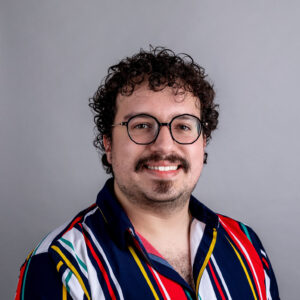
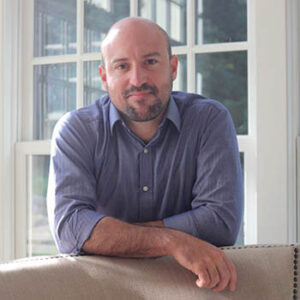
Sebastian Rivera

Sebastian Rivera is a Program Manager at the Engineering Biology Research Consortium, focusing on AIxBio and Security. Prior to EBRC, he was a NIH Chemistry-Biology Interface Training Fellow at the University of Michigan, where his research focused on identifying and characterizing fungal enzymes responsible for the biosynthesis of drug-like molecules. Additionally, he received a certificate in Science, Technology, and Public Policy through the Ford School of Public Policy at the University of Michigan. As a Science Policy Postdoctoral Researcher with EBRC, he helped lead programs around nucleic acid synthesis screening and independently researched risk mitigation strategies for AI-enabled biological design tools. When he isn’t working, Sebastian is rock climbing, playing the latest RPGs, or exploring the local food scene.

Otto Cordero

Otto X. Cordero received a B.S. in computer and electrical engineering from the Polytechnic University of Ecuador, an M.Sc. in artificial intelligence from Utrecht University, and a Ph.D. in theoretical biology, also from Utrecht University. In 2014 Cordero received the ERC Starting grant in Europe and in 2015 he moved to MIT, where he has since been a member of the faculty. Cordero is a past Sloan Fellow in Ocean Sciences and recipient of the Simons Early Career Award in Marine Microbial Ecology. In 2017, Cordero co-founded PriME, a new Simons Collaboration that brings together physicists, biologists and engineers to decipher the rules that govern the assembly and functioning of marine microbial ecosystems.

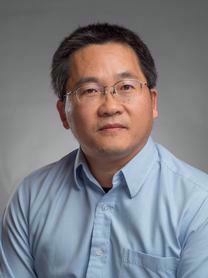
Maobing Tu

Dr Maobing Tu is a professor in the Department of Chemical and Environmental Engineering at the University of Cincinnati. He received his PhD degree in Forestry Bioenergy at the University of British Columbia (2007). Dr. Tu is a recipient of Industrial R&D Fellowship from Natural Science and Engineering Research Council of Canada (NSERC) and an NSF CAREER award in 2013. His research is centered on the development of cost-effective processes for producing biofuels and chemicals from renewable resources and waste. Specifically, he focuses on the interface between biomass processing chemistry and biochemical engineering in the production of fuels, chemicals and biomaterials. He has published more than 60 papers and received funding from NSF, DOE and EPA.

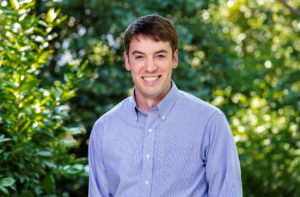
Jonathan Conway

Dr. Jonathan Conway earned his B.S. in Chemical Engineering at the University of Notre Dame and his M.S. and Ph.D. in Chemical Engineering at North Carolina State University under the guidance of Dr. Robert Kelly, focusing on lignocellulose degradation by extremely thermophilic bacteria. After completing his Ph.D., he trained as a postdoctoral researcher at the University of North Carolina – Chapel Hill in Dr. Jeff Dangl’s lab, where he worked on engineering the plant root microbiome.

In 2021, Dr. Conway established his independent lab in the Chemical & Biological Engineering department at Princeton University. He is also an associated faculty member of the Omenn-Darling Bioengineering Institute, the Andlinger Center for Energy and the Environment, and the High Meadows Environmental Institute. The Conway lab focuses on genetically engineering non-model bacteria at plant-microbe interfaces. By mechanistically defining and engineering plant-microbe interactions, the lab aims to develop technologies for the bio-agriculture, bio-energy, and bio-chemical industries.