Bojing Jiang

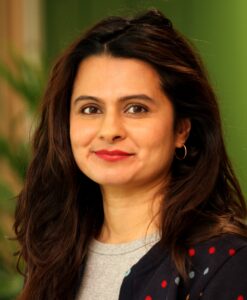
Bojing Jiang is a Ph.D. candidate in Biomedical Engineering at Washington University in St. Louis, with a focus on developing protein-based materials for biomedical and environmental applications. Her research integrates synthetic biology, materials science, and tissue engineering to create innovative biomaterials for regenerative medicine, drug delivery, and micro-nanofabrication. Bojing’s work emphasizes sustainability and biocompatibility, leveraging fully protein-based materials to design eco-friendly alternatives with enhanced functionality.

She has contributed to groundbreaking projects funded by the National Institutes of Health (NIH), including materials for neuron regeneration, vascular repair, and wound healing. Bojing has published in high-impact journals such as Science Advances and Advanced Functional Materials, with her research recognized for its role in advancing green and scalable nanofabrication techniques using protein-based resists.

In addition to her technical expertise, Bojing excels in protein design, gene editing, fermentation, and biomaterials characterization, with a commitment to developing solutions that bridge scientific innovation and real-world impact. She is passionate about contributing to the next generation of healthcare technologies while advancing sustainability in the field of biomedical engineering.

Global Forum 1.0 (2019)

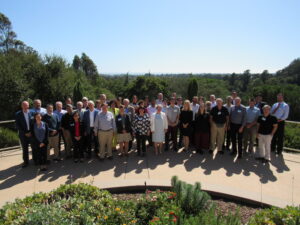
The inaugural EBRC Global Forum for Engineering Biology (EBRC Global Forum 1.0) was held on September 9-10, 2019, in Santa Cruz, California. This international summit focused on national synthetic biology roadmaps and strategies, bringing together representatives from over 15 countries with active programs in synthetic biology. The two-day event featured plenary sessions to exchange information and review key international and national trends shaping engineering biology strategies and policies.


EBRC Global Forum 2.0 (2023)

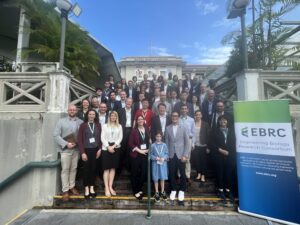
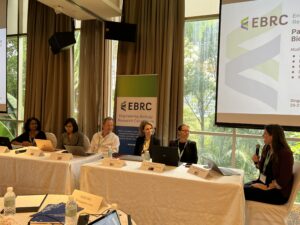
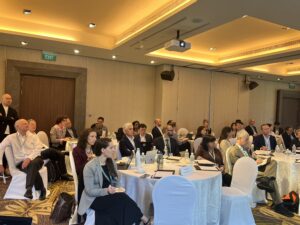
The second EBRC Global Forum for Engineering Biology (EBRC Global Forum 2.0) took place in Singapore on February 20-21, 2023, in partnership with the Singapore Consortium for Synthetic Biology (SINERGY). This international summit gathered global leaders from nearly 50 institutions representing 21 countries to discuss national strategies around engineering biology, as well as opportunities and challenges for global and national collaboration.


EBRC Global Forum 3.0 (2025)

This is an invitation-only event.

Register here


MEETING OVERVIEW

Building on the success of the previous EBRC Global Forum events, the third Forum will be held in March 2025 at the J. Craig Venter Institute in La Jolla, California. This summit will continue the important work of bringing together global leaders to advance national engineering biology roadmaps and bioeconomy strategies.

Over the course of two days, participants will engage in dialogue on the latest developments, opportunities for collaboration, and the evolving challenges facing the field. As with previous Forums, the event will provide an invite-only, not-for-attribution environment, encouraging candid discussions among representatives from across the globe.

Key agenda topics will include:

  • Updates on the current status of national engineering biology strategies and programs;
  • Global trends in engineering biology and bioeconomy development;
  • Collaborative initiatives aimed at advancing engineering biology on both national and international levels.


VENUE

The Forum will take place at the J. Craig Venter Institute in La Jolla, California. Known for its leadership in genomics and engineering biology, the Institute will be a fitting setting for these critical discussions. Additional details about accommodations, including discounted rates at nearby hotels, will be shared with attendees.


TRAVEL INFORMATION

Participants are expected to cover their own travel and accommodation costs. EBRC will work to secure discounted room blocks at nearby hotels, with further details forthcoming. Limited financial assistance may be available on a case-by-case basis for attendees requiring support. Stay tuned for more information on travel logistics and accommodation options.


Sara Molinari

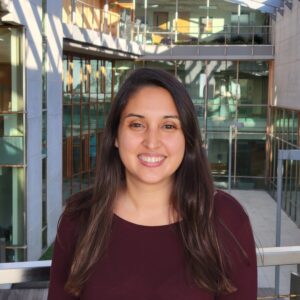
Dr. Sara Molinari graduated from the Systems, Synthetic and Physical Biology Ph.D. program at Rice University with a thesis on programming differentiation in bacteria. This work enabled the creation of a novel pattern formation by physically separating genetically distinct cells. As a postdoctoral researcher, she created the first de novo macroscopic living material that grows from engineered bacteria. This work presents the only genetically encoded synthetic matrix that hierarchically assembles cells over four orders of magnitude and allows the genetic control of ELM mechanical and catalytic properties. In her laboratory in the Department of Bioengineering at The University of Maryland College Park, she investigates the design rules for engineering de novo ELMs from different bacteria to enable a wide array of applications. Sara is a full member of the Sigma Xi Scientific Research Honor Society, a 2022 Distinguished Young Scholar (UWDYSS), a 2022 BME Future Faculty, and a rising star at the SynBYSS seminar series.

Wheaton Schroeder

Wheaton Schroeder is a new Assistant Professor at Washington State University in the Voiland School of Chemical Engineering and Bioengineering (started in August 2024). His research lab specializes in computational metabolic modeling (often referred to as genome-scale modeling) with various applications. Emerging applications in his research includes studying neurometabolic coupling (through the Astrocyte-Neuron Lactate Shuttle) including its role in seizures and designing an inducible cyanobacteria bioproduction platform leveraging the heterogeneity in photobioreactors for division of labor. Previous to his current position, Wheaton was most recently a Postdoctoral Scholar in the Department of Chemical Engineering at the Pennsylvania State University advised by Costas D. Maranas (for three years). In this position, his research, still in systems biology, was funded by the Center for Bioenergy Innovation (CBI). In CBI, his research focused on fundamental understanding of the target organism for consolidated bioprocessing, Clostridium thermocellum, and improved phenotype of process feedstock, Populus tricocarpa. In this role, he worked closely with synthetic biologists for hypothesis testing and model validation. Wheaton earned his Ph.D. in Chemical and Biomolecular Engineering at the University of Nebraska – Lincoln, advised by Rajib Saha. In his doctoral studies, Wheaton applied mathematical modeling to designing and modeling genetic circuits, creating a lifecycle model for the model plant Arabidopsis thaliana, studying fungal melanogenesis, and studying nitrogen-stressed maize root metabolism, among other application. Given this diversity of application, his thesis was entitled “Creation and Application of Various Tools for the Reconstruction, Curation, and Analysis of Genome-Scale Models of Metabolism”, defended in June of 2021. Wheaton earned a Bachelors degree in Chemical Engineering and Mathematics at Iowa State University in May of 2015.

Leopold Green

Leo Green is an assistant professor of biomedical engineering at Purdue University. His research program converges DNA nanotechnology, microbiome engineering, and computational models to design bacterial theanostics.

Safety Considerations for Chemical and/or Biological AI Models

Publication Date: December 2024

An EBRC response to NIST RFI 89 FR 80886: Safety Considerations for Chemical or Biological AI Models.

James Saenz

Research Summary
My lab’s research merges my unique background in geochemistry and microbiology and my interest in synthetic biology and bioengineering to unravel and harness the role of lipids in organizing bioactivity. My lab has recently pioneered two fronts:

1. Minimal Microbial Models for Membrane Biology: We’ve established minimal bacterial systems, notably pathogenic mycoplasma and the Minimal Cell (JCVI-Syn3), as modifiable membrane platforms amenable to synthetic genomics. This approach allows us to dissect and manipulate cell membranes, offering unique insights into lipid-mediated cellular functions and interactions. We have developed approaches to tune and minimize mycoplasma and Syn3 lipidomes, demonstrating that two lipids are sufficient (but far from optimal) for life. Using these minimal bacterial organisms, we can reintroduce genomic and chemical complexity to elucidate the crucial components of a functional cell membrane, with the ultimate goal of designing bespoke synthetic cell membranes. Expanding from studies of individual lipids, we aim to understand and engineer the lipidome’s complexity and its impact on cellular behavior in the context of environments from mammalian hosts to oceans and soils.

2. Novel Membrane Sense and Response Mechanisms based on RNA-Lipid Interactions: A groundbreaking direction in our research is exploring how lipids can selectively interact with, and modulate RNAs. Beyond exploring lipid functions, this work paves the way for developing RNA-lipid interactions to create synthetic membrane sensors and riboregulatory mechanisms. The potential to design lipid-sensitive RNAs opens new avenues for synthetic biology applications, including novel forms of lipid regulation and membrane homeostasis.

Jonathan Klonowski

Jonathan is a policy postdoctoral researcher at the Engineering Biology Research Consortium focusing on biosecurity and simulating the bioeconomy. Earning is PhD from the University of Pittsburgh School of Medicine, Jonathan used an interdisciplinary approach to explore the complexities of developmental diseases employing biological and computational methods. Transitioning into policy, Jonathan now aims to leverage his expertise and leadership to drive evidence-based policy at the intersection of biotechnology, national security and society to ensure inclusive solutions for society’s most pressing challenges.

During graduate school, Jonathan led Allegheny Science Policy and Governance for five years, promoting the role of science in public policy. He organized over 15 Science Policy, Advocacy, Communication and Diplomacy (Sci-PACD) events, mentored 10 early-career scientists, and published several policy manuscripts that contributed to the engagement of scientists in policy. Jonathan Is also a member of the National Science Policy Network, where he launched and managed two grants amplifying the voices of minority communities in Sci-PACD.

In 2023, Jonathan consulted for the Special Competitive Studies Project — a think tank focused on U.S. competitiveness in the technology sector — utilizing his strengths as an adaptable analyst also capable of uniting stakeholders. There, he authored a public-private moonshot action plan to foster innovation in biotechnology by creating an open-source genetic library that encompasses global biodiversity. His work contributed to initiatives that aim to enhance national security and competitiveness by promoting collaboration across the Vannevar Bush Triangle.

Sana Zakaria

Sana Zakaria is a Research Leader, and a Global RAND Scholar working emerging technologies and their intersection. Her work focusses on assessing the societal and biosecurity implications of technological advancement, and unpacking the factors affecting technology demand and supply, assessing oversight mechanisms for technology, and building resilience and preparedness in society.
She is currently leading on evaluating the PATH-SAFE programme, a pilot programme on interconnectivity of the UK-wide genomic
biosurveillance ecosystem. She is working with UK MoD on bioattribution workflows and capacity building. Her other key project involves assessing oversight mechanisms in embryology, brain computer interfaces, engineering biology and organoids. She is also leading on a project developing a global risk index to manage dual use risks from AI powered biological tools. She currently sits on an expert scientific group to the BWC to provide expert advice on science and technology mechanism, compliance and verification and international cooperation and assistance.

George Church

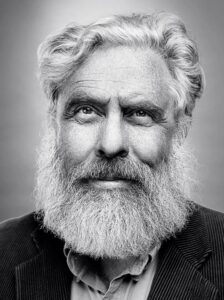
Harvard PhD 1984. Professor at Harvard & MIT 1986, co-author of 716 papers, 164 patent publications & book “Regenesis”; developed methods used for the first genome sequence (1994) & 10M-fold cost reduction (fluor-NGS & nanopores), molecular barcoding/ multiplexing, DNA assembly from chips, genome editing/writing/recoding; co-initiated BRAIN Initiative (2011) & Genome Projects (GP-Read-1984, GP-Write-2016, PGP-2005:first open-access personal/precision medicine data & cells); machine learning for protein engineering, tissue reprogramming, organoids, gene therapy, aging reversal, xeno-transplantation, in situ 3D DNA/RNA/protein imaging.

P. C. Dave P. Dingal

My research focuses on the interplay between extrinsic and intrinsic signals that affect cell behavior by building cutting-edge molecular tools to measure and perturb such signals. Most molecular tools are being developed and function well in vitro. Current technologies are unable to measure signaling in its native context in vivo, mainly due to lack of signal amplification, slow kinetics, and incompatibility of reagents. I aim to develop and translate some of these tools in vivo to help solve issues of biomedical relevance.

My graduate training combined biophysical and systems-biology approaches for the mechano-chemical control of adult human stem cells.With my engineering background, my postdoctoral fellowship at Stanford University focused on developing synthetic biological tools to measure signals that induce cell fate. I developed a versatile receptor-based tool called CRISPR ChaCha, which senses the immediate microenvironment and activate novel genomic expression programs via CRISPR-Cas9. At Harvard University, I created molecular tools that control the secretion and sensing of signals as they arise in the developing zebrafish embryo.

As an Assistant Professor at UT Dallas, my research laboratory is developing cutting-edge tools to measure and characterize signaling mechanisms in vivo. We are developing innovative uses of biological molecules in vivo, including CRISPR/Cas systems, synthetic proteases, and fluorescent probes to gain deeper insights into endogenous signal release and response in early embryos and in the brain.

Chris Vaiana

Just released: Engineering Biology for Space Health

The Engineering Biology Research Consortium (EBRC) is happy to have released our newest technical research roadmap, Engineering Biology for Space Health: An Innovative Research Roadmap. The roadmap is available as an interactive website and PDF available at https://roadmap.ebrc.org.

This EBRC technical research roadmap, Engineering Biology for Space Health, provides a detailed evaluation of opportunities for engineering biology to improve human health and well-being during space exploration missions and help solve societal challenges here on Earth. Keeping humans alive on ever-longer and ever-further missions into space will require the sustainable production and access to food, new and more efficient and effective health and medicine capabilities, and enabling and ensuring resources to support life and control the local environment, particularly when those resources are limited.

Supported by NASA’s Translational Research Institute for Space Health (TRISH), the roadmap was written collaboratively by more than 100 contributors across various academic institutions, biotechnology companies, government laboratories, and other organizations. This roadmap is intended to guide technical research and development, investment, and programmatic decisions into engineering biology tools and technologies that will help overcome the challenges of extended space travel.

The technical roadmap focuses on novel, foundational engineering biology solutions for:

  • Health & Medicine
  • Food & Nutrition
  • Environmental Control & Life Support

View the roadmap here!


Engineering Biology for Space Health: An Innovative Research Roadmap

Publication Date: October 2024

Engineering Biology for Space Health provides a detailed evaluation of opportunities for engineering biology to improve human health and well-being during space exploration missions and help solve societal challenges here on Earth. Keeping humans alive in space will require the sustainable production and access to food, new and more efficient and effective health and medicine capabilities, and ensuring resources to support life and control the local environment, particularly when those resources are limited. This technical roadmap is intended to guide research and development, investment, and programmatic decisions that will help overcome the challenges of extended space travel.

Advancing Science & Technology Policy for the Next-Generation Bioeconomy


EBRC is thrilled to introduce the 2024 Journal of Science Policy & Governance (JSPG) Special Topics Issue focused on Advancing Science & Technology Policy for the Next-Generation Bioeconomy.

The 2024 Special Topics Issue highlights the potential of engineering biology and biotechnology to address societal challenges across all sectors – including health, agriculture, energy, manufacturing, and the environment – and enable a more circular, sustainable bioeconomy. This issue seeks to inspire innovative ideas that may provide leaders and decision-makers with fresh perspectives, in-depth analyses, and actionable policy recommendations. Contributors explore a wide range of topics, from governance and regulatory considerations for emerging biotechnology to global and regional strategies to grow the bioeconomy, bioliteracy, and workforce development.

We are particularly excited to demonstrate alignment with the key Pillars highlighted in the 2025 report, Charting the Future of Biotechnology: An Action Plan for American Security and Prosperity, recently released by the National Security Commission on Emerging Biotechnology (NSCEB), underscoring a comprehensive strategy to enhance and maintain robust US leadership in the global bioeconomy. Articles in this issue expand upon and provide timely insight that directly addresses the challenges and priorities outlined in the NSCEB report.

EBRC extends our gratitude to all those who submitted articles for consideration in this Special Topics Issue and to JSPG staff for their assistance in organizing webinars to help prospective authors strengthen their submissions. We are especially grateful for the JSPG reviewers and editors whose time, effort, and insights made this publication possible. We would like to congratulate all published authors and specifically highlight the awardees of the EBRC Showcase. These articles stood out for their relevance, implementation of policy recommendations and ideas, and effectiveness in bridging the gap between engineering biology and policy.

  • “Governance Challenges for Direct to Consumer Genetically Engineered Organisms” by Casey Isabelle and Dalton R. George, Arizona State University;
  • “Regional food biomanufacturing innovation hubs can catalyze bioeconomic growth and national security” by Erin Rees Clayton and Curt Chaffin, The Good Food Institute; and
  • “Genetically Engineered Microbes for Bioremediation: Opportunities and Limitations in the Emerging Bioeconomy” by Avery M. Brewer and Dalton R. George, Arizona State University.

We would additionally like to thank the EBRC review panel, consisting of experts and leaders in engineering biology, biotechnology, and bioeconomy policy, who evaluated all accepted Special Topics Issue submissions for the EBRC Showcase award.

Read the Special Issue here!
Erin Garza

Dr. Garza received her master’s and PhD in microbiology from Northern Illinois University. Her graduate work involved genetically engineering biofuel pathways, like homoethanol and butanol, into Escherichia coli. Dr. Garza completed a postdoc at the J. Craig Venter Institute where she is currently an Assistant Professor in the Synthetic Biology and Environmental Sustainability departments. Over the years her research has involved genetically engineering bacteria and diatoms to produce compounds of interest, elucidating metabolic pathways in marine organisms, domesticating and characterizing genetic parts for DNA cloning libraries, and developing and optimizing cloning techniques for non-model organisms. However, her main focus now involves studying the microbiome of deep-sea plastics to locate new plastic degrading organisms and studying the effects of plastic additives on the environment and human health.

Christian Cuba Samaniego

I received my BS degree in Mechatronic Eng. from National University of Engineering (UNI-Peru). I obtained my PhD in Mechanical Engineering from the University of California Riverside (UCR) under the supervision of Elisa Franco in 2017. I held a postdoctoral scholar with Ron Weiss at MIT (2017), Elisa Franco at UCLA (2019), Ming-Ru Wu at Harvard/DFCI (2023). In Fall 2024, I will join the Computational Biology Department at Carnegie Mellon University. I work at the intersection among Control Theory, Systems Biology and Synthetic Biology. I am specially interested in the design, analysis and applications of biomolecular feedback control systems and molecular neural networks for decision-making in living cells. To create a community that connects mathematical theories, models, and biomolecular experiments, I co-organize a Seminar on Biological Control Systems. it focuses on applications of mathematical modeling and control systems to biology. We host monthly talks featuring our members and invited guests.

Johnathan O’Neil

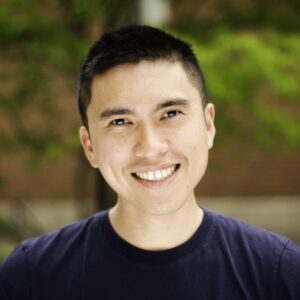
Johnathan is a postdoctoral scholar at the Engineering Biology Research Consortium (EBRC). He earned his Ph.D. in Chemical and Biomolecular Engineering from Georgia Tech, where his research centered on the biomechanics and fluid dynamics of semiaquatic insects’ locomotion with potential applications in robotics. His fieldwork included studying these insects in Georgia and the Peruvian Amazon. During graduate school, he actively engaged in outreach events in both Atlanta and Peru. Outside of research, Johnathan enjoys writing poetry and collecting vinyl records.