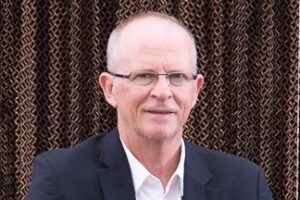
Elibio Rech

Elibio Rech, a molecular engineer, geneticist, Researcher at EMBRAPA, and Director of the National Institute of Science and Technology in Synthetic Biology, developed gene transfer technologies to produce commercial genetically modified plant products. Aim to contribute to the design, construction, and engineering of synthetic genomes, cell-free protein expression, and building cell and synthetic genetic circuits, combining top-down and bottom-up approaches within the synergies and intersections of the recombinant DNA technology for synthetic domestication of specific traits from biodiversity.
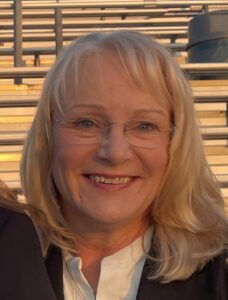
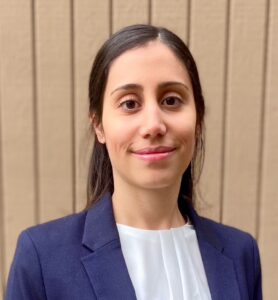
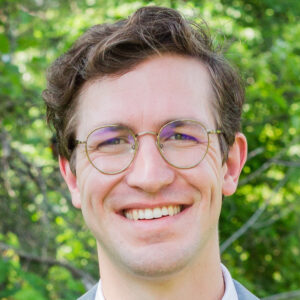
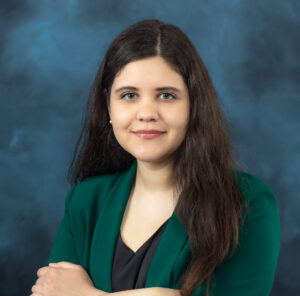
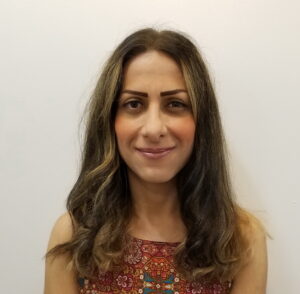
Theresa Loveless

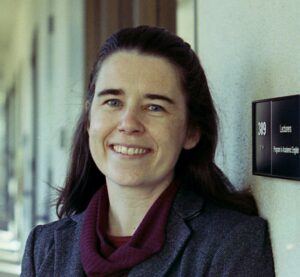
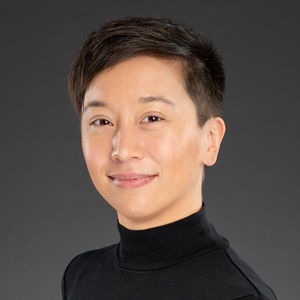
Theresa Loveless received her Ph.D. in Cell Biology from UCSF, where she studied the molecular biology of DNA replication and the DNA damage response. As a postdoctoral researcher in synthetic biology, in the laboratory of Chang Liu at UC Irvine, she made DNA recorders, synthetic biology tools that transform transient events in a cell’s life into durable changes in a small “recording” region of the cell’s genome. Theresa just started her independent laboratory in the Department of BioSciences at Rice University. The goal of the lab is to make DNA recorders that document the activation history of many signaling pathways in parallel, in physiological settings, over the whole timescale of developmental processes. These recorders will make it possible to study how transient events that are experienced heterogeneously across populations of cells affect the later behavior of each cell. Theresa is a Leading Edge Fellow and a MOSAIC K99/R00 Scholar.

Synthetic Biology US 2024

Don’t miss Synthetic Biology US 2024! Join leading omics experts and researchers for a two-day event accelerating the development of synthetic biology tools to enable effective therapeutics development.

Returning for the 3rd year, the 2024 event again brings together a panel of prominent leaders and scientists, sharing new case studies, original data and industry outlook. Connect, collaborate, and innovate with global academic and research organisations, as well as pharma representatives, for high-level discussions on pioneering approaches to developing advanced synthetic biology tools for target discovery, production optimisation, AI/ML approaches as well as synthetic biology-based therapeutics case studies.

Mark your calendar to be part of this dynamic gathering!

3rd Annual Oligonucleotides Congress

Oxford Global’s 3rd Annual Oligonucleotides Congress, 13 – 15 March 2023, London, UK, will be attended by over 500 industry innovators to network about the latest advancements in oligonucleotide chemistry. Key leaders will be delving into novel platforms & technologies for the successful delivery of oligonucleotides, the development of greener synthetic processes, as well as innovative computational approaches & methods for discovery and analytical development.

Alongside our in-depth presentations will be regular networking breaks, giving you the chance to connect and collaborate with other experts in your field and learn more about solutions and services on offer to accelerate your work.

Co-located with the 17th Annual Proteins & Antibodies Congress, 11th Annual Peptides Congress and 2nd Annual Sustainability in Biologics Congress, these events will deliver over 80 exciting industry presentations across 3 days and providing unparalleled opportunity for high level scientific discussion.

Organ Modelling and 3D Cell Culture 2024

Connecting leaders in drug discovery to optimise organ modelling techniques and facilitate advanced applications.

Formulation & Delivery 2024

Learn from and meet leading experts in pharmaceutical science, addressing the critical strategic advances and technical innovation in formulation, drug delivery, RNA therapeutics & inhaled therapies.

The 2024 event will be opened by the highly acknowledged expert Thomas von Erlach, Chief Scientific Officer at Vivtex highlighting Drug Delivery Systems For Biologics. This is the event to attend to stay ahead of the curve.

Key focuses this year include:
Small Molecule Drug Formulation – showcasing AI-driven automation in formulation processes and a panel on the ongoing progress in sustainable manufacturing

Biologics Drug Delivery – encompassing strategies for improved oral delivery and a feature workshop on characterisation of exosomes for drug delivery

Bioanalysis: Stability, Characterisation, Developability – covering protein characterisation, aggregation prevention, and digital twins for advanced lyophilisation

Small Molecule Drug Delivery – highlighting a workshop on PROTAC drug delivery for improved bioavailability and enhanced targeting

Biologics and New Modalities Formulation – emphasising advances in vaccine formulations and longer-acting forms

Elizabeth Kellogg

Elizabeth Kellogg did her undergraduate studies at UC Berkeley and received a PhD from the University of Washington, working on computational biology in the group of David Baker. She then became a postdoctoral fellow in the lab of Eva Nogales at UC Berkeley using cryo-electron microscopy. Her scientific background results in a scientific approach that seeks to understand biology with a quantitative perspective, relying on biological structure determination and design. Since starting her own group at Cornell University in 2019, Dr. Kellogg has sought to understand how transposons reshape genomes and how they can be repurposed as genome-editing tools. In particular, her group has investigated the behavior and molecular mechanisms of programmable, CRISPR-associated transposons (CASTs), to determine how DNA integration is regulated spatially and temporally in a genomic context, using a combination of biochemical, structural, single-molecule and genetic approaches. Among other honors, Dr. Kellogg was selected as Pew Biomedical Scholar in 2021 and received the 2023 Margaret Oakley Dayhoff Award from the Biophysical Society. She joined St. Jude as an Associate Member in 2023.

Janet Standeven

An educator with 28 years of classroom experience in Core Sciences, Social Sciences and Biotechnology. Founded the Lambert iGEM program in 2012. In 2022 Lambert’s team was named the Grand Prize Winner of the iGEM Jamboree. The iGEM competition is the leading collegiate competition in the field of synthetic biology. She is a 2022 recipient of a NIH SEPA grant with Dr. Bhamla of Georgia Institute of Technology. In collaboration with members of the Bhamla lab she leads students in research and development of synthetic biology projects that also include hardware and software components. Ongoing projects include the ElectroPen, a 23 cent electroporator and other frugal devices for extraction of DNA and quantification of data.

Ms. Standeven received a BA in Anthropology and Social Studies Teaching Certificate from Millersville University of Pennsylvania. She earned her Master of Chemical Life Science from the University of Maryland in 2013. During her master’s studies she was a recipient of a G.I.F.T. fellowship with the Styczynski Group at Georgia Institute of Technology and subsequently received RET, support with the Styczynski group from 2014-2018. She is a recipient of numerous teaching awards and recognitions including Teacher of the Year in 2011 for Riverwatch Middle School, 2018 for Lambert High School, Forsyth County School STAR teacher in 2019 and 2023, in addition to being recognized as Biotechnology Teacher of the Year in Georgia for 2016. She was an attendee at the White House Bioeconomy Summit in 2019. She currently participates on the Human Practices committee for the iGEM foundation and serves as a Master Teacher for GABIO’s Rural Teacher Training Initiative.

Gozde Demirer

Gozde was born and raised in Istanbul, Turkey and received her B.S. in Chemical and Biological Engineering from Koc University in 2015. Gozde completed her Chemical Engineering Ph.D. at UC Berkeley with Prof. Markita Landry in 2020. During her Ph.D. studies, she developed nanotechnologies for plant genetic engineering. For her postdoctoral work, Gozde joined Prof. Siobhan Brady’s lab at UC Davis, where she studied nutrient use efficiency of tomato and developed high-throughput functional genomics tools to study transcriptional regulation in crops.

Joshua Atkinson

Dr. Atkinson’s research aims to use approaches from synthetic biology, protein engineering, biophysics and electrochemistry to understand and control how microbes and proteins transport electrons. The Atkinson Lab seeks to elucidate the critical role electron transport plays in energy and information processing in cells and microbial communities and to use this knowledge to engineer new biotechnologies that address societal challenges in sustainability, environmental monitoring & remediation, chemical synthesis, and resource recovery & extraction. Areas of current emphasis are the development and application of design rules for (i) how microorganisms use proteins to regulate electron transfer in metabolic networks, (ii) how electron flows shape the structure of microbial communities that impact geochemical cycles, and (iii) how living electronic materials can be built that couple the information processing and catalytic capabilities of biology with electrochemical devices.

Ilenne Del Valle

Ilenne Del Valle is a Research Staff Scientist at Oak Ridge National Laboratory. She earned her Bachelor’s degree in Biochemistry from the University of Chile and her Ph.D. in Systems, Synthetic, and Physical Biology from Rice University, where she worked in the Silberg and Masiello lab. Following her Ph.D., she served as a postdoctoral researcher in the Eckert lab at ORNL. Currently, her research focuses on engineering new synthetic biology tools to facilitate ecosystem engineering, with a specific emphasis on environmental, energy, and sustainability applications.

Leili Rohani

Dr. Leili Rohani is a Stem Cell Scientist at the School of Biomedical Engineering, University of British Columbia, and upcoming Research Scientist at MIT Synthetic Biology Center and Department of Biological Engineering. Her research has been focused on stem cells, regenerative medicine, cell therapy, and cell-fate engineering with the intent to provide a platform for future gene and precision therapies for heart diseases. She is passionate about combining tissue engineering, single-nuclei RNA sequencing and synthetic biology tools to create a human single cell atlas of heart disease as a basis for understanding, diagnosing, monitoring, and treating heart diseases. Her end goal is to look at the SynBio platform (tissue engineering, single nuclei RNAseq, synthetic biology) as a new vocabulary for disease studies to determine the ways in which cells and disease genes act, which cells are disrupted in disease, which programs change in them, what mechanisms underlie their (dis)regulation, how their cell-cell communications are affected, and what would be the impact of therapies. Beyond her research, she is passionate about science communication, networking, and collaboration.

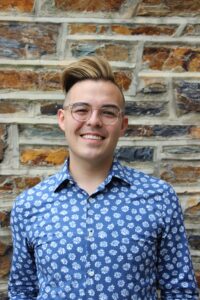
Cameron Kim

Cameron Kim is Assistant Professor of the Practice in Biomedical Engineering (BME) at Duke University and Associate Director of Undergraduate Studies in BME. He also holds appointments as Associate Faculty in the Duke Science & Society Initiative and as a member of the Duke Center for Advanced Genomic Technologies. Kim’s research focuses on engineering education in synthetic biology, mentoring students in molecular and cellular engineering, design thinking, and team-based problem solving to address novel challenges in gene and cell-based therapies. He serves as the research advisor for the Duke International Genetically Engineered Machine (iGEM) team, guiding students in responsible innovation and ethics-guided design of emerging biotechnologies. Kim’s educational scholarship centers on cultivating character, ethical reasoning, and professional formation in engineering students, culminating in the Duke BME “Ethics Everywhere” model of integrating ethics and values into technical training. He earned his Ph.D. in Bioengineering at Stanford University, where his research focused on RNA engineering in mammalian synthetic biology.

Immuno US 2023

Featuring 30+ presentations, the event brings together over 120 attendees from leading pharma, biotech and academic organisations designing innovative strategies and technologies for more effective cancer immunotherapy development.

Expand your knowledge & discuss future priorities in:

Discovery & Development: Cell Therapies & Antibody Approaches
Biomarkers, Precision Medicine & Spatial Biology in Immuno-Oncology
Discovery & Development: Intra-tumoral Immuno & Combination Therapies & Small Molecules as IO Therapies
Translational & Preclinical and Clinical Development

View the agenda here – https://www.oxfordglobal.co.uk/immuno-series-us/agenda/?utm_source=ebrc&utm_medium=eventlisting&utm_campaign=immuno&utm_content=immunous2023

Co-located with Biomarkers US 2023 attendees receive access to both events. For more information contact marketing@oxfordglobal.co.uk

Targets and Cell Types in Immuno-Oncology Europe 2023

With new & emerging targets and drug candidates in immuno-oncology, key opinion leaders from pharmaceutical & biotech companies as well as academic & research organisations will be presenting on innovative approaches & methods for target identification & validation, such as AI-based strategies, novel checkpoint inhibitors and latest developments & case studies in cellular therapies : TILs, gamma deltas, myeloid cells.

Expand your knowledge & discuss future priorities in:
– Emerging Technologies, Strategies & Methods for Novel Targets & Target Validation in Immuno-Oncology
– Novel Cell Types to Develop Effective IO Therapies

View the agenda:https://www.oxfordglobal.co.uk/immuno-targets-cells/agenda/?utm_source=ebrc&utm_medium=eventlisting&utm_campaign=immuno&utm_content=tacell2023

Co-located with Biomarkers Europe 2023 and Precision Oncology Europe 2023, attendees will receive access to all three events. For more information contact marketing@oxfordglobal.co.uk

RNA Therapeutics & Delivery 2023

Join RNA leaders, experts and distinguished scientists in Europe, delivering breakthrough research, technologies & connecting global pharma, biotech and academia for high-level discussions on the latest innovations within the formulation and delivery of RNA-based therapeutics.

Formulation & Drug Delivery US 2023

Join leaders, experts and researchers at West Coast’s scientific Hub – San Diego, delivering breakthrough research, technologies & connecting global pharma, biotech and academia for high-level discussions on the latest innovations in formulation, drug delivery & inhaled science

Spatial Biology Europe 2023

Explore spatial research: from the application of spatial technologies in biology through to topical updates from spatial genomics, transcriptomics, metabolomics and spatial bioinformatics.

Expand your knowledge and discuss future priorities in:
– Spatial Multi Omics Techniques & Approaches
– Applications of Spatial Research & Technologies in Biology
– Spatial Biology in Pharma & Translational Drug Research
– Spatial Bioinformatics, Data Analysis and Interpretation

Benefits to attending include:
– Learn from Applications on Therapeutic Areas – Case Studies on Cardiovascular Development, Oncology, Neurobiology
– Explore the latest Spatial Technologies and Overcome Challenges in the Adoption of Translational Drug Research
– Gain insights into Spatial Multi-Omics applications for thr Tumor micro-environment
& much more!

View the agenda here: https://www.oxfordglobal.co.uk/spatial-biology-europe/agenda/download-agenda/?utm_source=ebrc&utm_medium=eventlisting&utm_campaign=omics&utm_content=sanaeu2023

NextGen Omics 2023

NextGen Omics 2023 features 4 outstanding programmes, bringing together Europe’s most successful omics research experts under one roof. The series provides an excellent networking platform which consists of key discussion topics in: Next Generation Sequencing & Clinical Diagnostics, Single Cell & Spatial Analysis, Synthetic Biology in Discovery & Therapeutics and Digital PCR & Liquid Biopsies.

Expand your knowledge and discuss future priorities at:
– NGS & Clinical Diagnostic Congress – https://www.oxfordglobal.co.uk/nextgen-omics-series-uk/ngs-clinical-diagnostics/
– Single Cell & Spatial Analysis Congress – https://www.oxfordglobal.co.uk/nextgen-omics-series-uk/single-cell/
– Synthetic Biology in Drug Discovery & Therapeutics Congress – https://www.oxfordglobal.co.uk/nextgen-omics-series-uk/synthetic-biology/
– Digital PCR & Liquid Biopsies Congress – https://www.oxfordglobal.co.uk/nextgen-omics-series-uk/digital-pcr/

The event also features the NextGen Omics Young Scientist Awards including the best poster presentation award and are intended to honour an outstanding individual performance for a scientific work by a PhD student, PostDoc or early career scientist. – https://www.oxfordglobal.co.uk/nextgen-omics-series-uk/young-scientist/

View the full agenda here: https://www.oxfordglobal.co.uk/nextgen-omics-series-uk/agenda/download-agenda/?utm_source=ebrc&utm_medium=eventlisting&utm_campaign=omics&utm_content=ngsuk2023

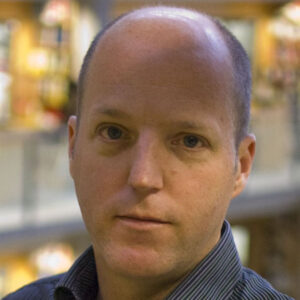
Geoff Baldwin

Geoff Baldwin is Professor of Synthetic & Molecular Biology at Imperial College London, he is Co-Director of the Imperial College Centre for Synthetic Biology and Director of the EPSRC Centre for Doctoral Training in BioDesign Engineering. Research work in the Baldwin lab focuses on the development of synthetic biology approaches to facilitate the engineering of new biological systems for real-world applications. To this end he has developed foundational tools that transform our ability to rapidly prototype new biological designs, like DNA-BOT, automated DNA assembly based on the BASIC method. These fundamental developments are being applied across a broad range of projects that address gene circuit design; RNA feedback control and in vivo directed evolution for the generation of new protein specificity and functionality. Recently he has been developing new AI based approaches to enhance our ability to engineer new biological systems with human interpretable outcomes and only sparse sampling of the design space.