Response to NSF RFI on Key Technology Focus Areas for the National Science Foundation’s Directorate for Technology, Innovation and Partnerships

Publication Date: July 2025

An EBRC response to NSF RFI 90 FR 26330: Key Technology Focus Areas for the National Science Foundation’s Directorate for Technology, Innovation and Partnerships.

See the Request for Information as published in the Federal Register Vol. 90, pg 26330.

Keywords: NSF TIP, RFI, biotechnology, bioliteracy, data, biomanufacturing, national security, workforce development, AI/ML

Download PDF


Disclaimer: The following publications are intended for personal use. All persons reproducing, redistributing, or making commercial use of this information are expected to adhere to the terms and conditions as asserted by the copyright holder. Transmission or reproduction of protected items beyond that are allowed by fair use as defined in the copyright laws requires the written permission of the copyright owners.

Nucleic Acid Synthesis Screening elements of EO 14292: Improving the Safety and Security of Biological Research

Publication Date: June 2025

The Trump Administration released Executive Order 14292: Improving the Safety and Security of Biological Research in May 2025. The EO directed the Office of Science and Technology Policy (OSTP) to develop an updated framework for nucleic acid synthesis screening. This EBRC comment highlights reasonable strategies for screening assessments and the need for regular updates to screening standards.

DGOF Research elements of EO 14292: Improving the Safety and Security of Biological Research

Publication Date: July 2025

The Trump Administration released Executive Order 14292: Improving the Safety and Security of Biological Research in May 2025. The EO directed the Office of Science and Technology Policy (OSTP) to develop new policy for “dangerous gain of function” research (DGOFR) to supercede a 2024 policy framework. This EBRC comment encourages the development of a transparent, implementable policy with a precise and narrow definition of DGOF.

Chris Hoover

Dr. Christopher Hoover (Chris) is Senior Program Manager for Special Projects at EBRC where he is focused on promoting safe and responsible uses of engineering biology in health, agriculture, biosecurity, and climate. He also supports EBRC and its members in communicating the societal benefits of engineering biology to diverse audiences. Prior to EBRC, Chris was an AAAS Science & Technology Policy Fellow at the White House Office of Science and Technology Policy (OSTP) where he covered biotechnology, biosecurity, and health outcomes. He enjoys serving as a bridge between scientific experts and policy-makers—working to implement evidence-based solutions that improve human health and wellbeing. In addition to his time at OSTP, Chris worked in state and local public health departments responding to the COVID-19 pandemic, promoting data-driven approaches to combat the overdose epidemic, and modernizing public health data systems. He was a 2022 JHU Emerging Leaders in Biosecurity (ELBI) Fellow, received his MPH from Emory University, and completed doctoral training in public health data science and infectious disease epidemiology at UC Berkeley.

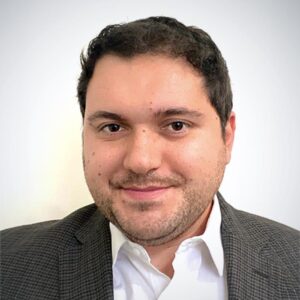
Jon Judd

Jon Judd is a postdoctoral scholar at the Engineering Biology Research Consortium (EBRC). He earned his Ph.D. in Genetics from Stanford University, where he worked with Drs. Jonathan Pritchard, John Witte, and Linda Kachuri. His research focused on the genetic and environmental risk factors underlying complex diseases.

During his graduate studies, Jon served as president of the Stanford Science Policy Group, was a member of the American Society of Human Genetics’ Government & Public Advocacy Committee, and worked as an intern at the White House Office of Science and Technology Policy, supporting the President’s Council of Advisors on Science and Technology.

Outside of work, Jon enjoys playing Quadball (a sport inspired by Harry Potter’s Quidditch), watching horror movies, and spending time with his dog, Jefe.

Submit an Internship Opportunity

Use this form to share information about your existing or upcoming internship opportunities!

Please note: Information submitted through this form (except where indicated) will be publicly displayed on our website for students to learn about and connect with your in-house internship programs or opportunities. Do not share information that should not be made widely, publicly available.

Dalton George

Dalton George is a Program Manager at the Engineering Biology Research Consortium, focusing on Innovation and Society. Prior to EBRC, he was a Postdoctoral Scholar for the School of Biomedical and Health Systems Engineering at Arizona State University, where his research focused on social, ethical, and policy dimensions of emerging biotechnologies. Dalton was also an NSF National Research Traineeship fellow at North Carolina State University, where he conducted interdisciplinary forecasting work on how emerging regulations would impact the future of genetically engineered crops, and researched how novel stakeholder engagement strategies could impact decision-making for environmental applications of engineered organisms.

When the work day is done, Dalton is headed outdoors for some cycling, hiking, disc golf, or any number of other sports. On rainy days, you will find him playing and listening to music, or at the local coffee shop playing chess, backgammon, or his beloved Midwest card game, Euchre.

EBRC Postdoc Fellowships

EBRC Postdoctoral Fellowships are one year positions that leverage previous training to work with EBRC programs and to conduct an individual research project. Postdocs are an integral part of the EBRC Team and have the opportunity to learn and make significant contributions during their appointment. In addition to the independent and focus area projects, postdocs participate in EBRC core activities (annual meetings and retreats); contribute to EBRC cross-cutting efforts regarding bioeconomy advancement, responsible innovation, and diversity, equity, and inclusion; have opportunities for relevant training in science policy; and meet government officials and policymakers through EBRC events and, when possible, periodic trips to Washington, DC.



Jonathan Klonowski  (2024-2025)

Jonathan Klonowski is a policy researcher specializing in biosecurity, emerging biotechnology, and national innovation ecosystems. As a postdoctoral researcher at the Engineering Biology Research Consortium (EBRC), he led independent research on how the convergence of robotics and artificial intelligence is reshaping the biotechnology industry. His work produced a framework for navigating the shift from manual R&D to automated discovery, alongside recommendations to strengthen public-private coordination and reduce barriers to adoption of advanced automation.
At EBRC, Jonathan worked under Becky Mackleprang supporting efforts to advance nucleic acid synthesis screening domestically and internationally. His briefings on industry security practices contributed to legislative awareness and provided additional impetus for the introduction of the Biosecurity Modernization and Innovation Act of 2026.
Jonathan earned his Ph.D. from the University of Pittsburgh School of Medicine, where he combined biological and computational methods to investigate the genetic basis of developmental diseases. Linking scientific rigor with policy insight, he now focuses on evidence-driven strategies at the intersection of biotechnology, national security, and societal resilience.

During graduate school, Jonathan served as president of Allegheny Science Policy and Governance (ASPG), co-founded two grant programs at the National Science Policy Network (NSPN), and consulted for the Special Competitive Studies Project (SCSP), advancing a non-human genome annotation initiative.


Johnathan O’Neil (2024-2025)

Before joining EBRC, I studied insects that walk on water for applications in robotics during my PhD research at Georgia Tech. At EBRC, I helped establish the Community Biofutures Initiative, which connects stakeholders across academia, government, industry, and nonprofit sectors to build networks that support biological literacy and engagement. For my independent project, I examined prior government investments in basic biological research and how they transitioned into bioinspired design, highlighting the importance of public funding for foundational research that may not have immediate or obvious real-world applications but can ultimately drive major technological advances. In addition to these projects, I contributed to a response to a National Institute of Standards and Technology (NIST) request for information on safety considerations for chemical and biological AI models. Currently, I serve as the Manager for Programs and Partnerships at Kids Teach Tech, a nonprofit that runs after-school programs where kids teach other kids technology skills.

Currently: Manager for Programs and Partnerships, Kids Teach Tech
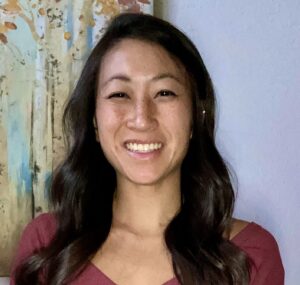


Julietta Sheng (2024-2025)

Julietta recently completed her Science Policy Postdoctoral Fellowship with the Engineering Biology Research Consortium (EBRC), where she supported the Education & Engagement and Roadmapping Focus Areas. She helped to organize and initiate the EBRC-sponsored special issue in JSPG on “Advancing Science & Technology Policy for the Next-Generation Bioeconomy.” She also contributed to the development of the Community BioFutures initiative, which aims to establish a national infrastructure to support local bioeconomy networks for engineering biology education and outreach.

Julietta is currently a Program Manager for the Education & Engagement Focus Area at EBRC, where she supports education and community-building efforts, including the continued development of the Community BioFutures project.

Julietta received her PhD in Biomedical Sciences/Neuroscience with Drs. Stuart Tobet and Robert J. Handa at Colorado State University. Outside of work, she likes to try new food recipes, read psychological thrillers, and go on long walks with her puppos.

Currently: Program Manager for the Education & Engagement, EBRC


Sebastian Rivera (2024-2025)

Prior to joining EBRC, Sebastian received his PhD in Chemical Biology and a certificate in Science, Technology, and Public Policy from the University of Michigan, where he was also a Chemistry-Biology Interface Training Fellow. During his postdoc with EBRC, Sebastian helped lead projects on nucleic acid synthesis screening and co-authored EBRC’s Strengthening a Safe and Secure Nucleic Acid Synthesis Ecosystem report. His independent project, Risk Mitigation for Biological Design Tools, provides commentary and recommendations on risk mitigation strategies that balance the dual-use nature of AI enabled biological design tools. He is currently a Program Manager for EBRC, with a focus on security and AIxBio related projects.

Currently: Program Manager AIxBio and Security, EBRC

Independent Project
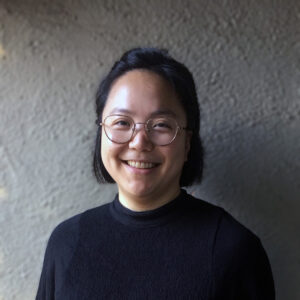


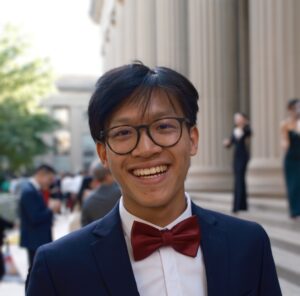
Cynthia Ni (2022-2023)

Cynthia Ni joined EBRC as a Postdoctoral Scholar in September 2022, working with the Policy & International Engagement Working Group and leading the organization of the EBRC Global Forum 2.0. She played a key role in EBRC’s Engineering Biology Global Metrics and Technical Standards for the Bioeconomy, conducted policy work in response to the 2022 Bioeconomy Executive Order, and contributed to several other EBRC initiatives. Cynthia earned her PhD in Chemical Engineering from MIT in 2022, focusing on genetically engineered E. coli to utilize mixed feed streams for biosynthesis – a project motivated by the desire to convert food waste into useful products. She was also involved in departmental DEI initiatives, peer counseling, and improving the graduate student experience across the institute. Cynthia is currently the Director of Innovation Programs at BEAM Circular.

Currently: Director of Innovation Programs, BEAM Circular

Independent Project


Wilson Sinclair (2022-2023)
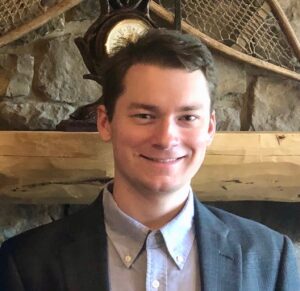
Wilson Sinclair was a Postdoctoral Scholar at EBRC from 2022-2023, working in the Security focus area on bioeconomic investment and biosecurity policy. He graduated with a Ph.D. in Chemistry from Stanford University where he used chemical biology methods to study host-pathogen interactions in tuberculosis infection for therapeutic discovery. His independent project focused on academic and federal policies to enable transdisciplinary research and responsible innovation. He is now the Assistant Director for Emerging Biotechnology Policy at the National Institutes of Health in the Office of Science Policy where he leads horizon scanning activities and the development and implementation of biosecurity and bioeconomic policies.

Currently: Assistant Director (Acting) for Emerging Biotechnology, NIH Office of Science Policy

Independent Project



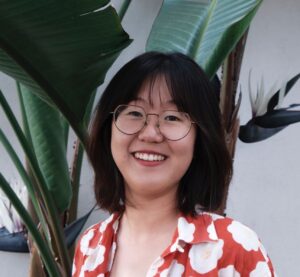
Sifang Chen (2021-2022)

Sifang Chen was a Postdoctoral Scholar at EBRC from 2021-2022, working closely with the Research Roadmapping Working Group and leading the development of EBRC’s Engineering Biology for Climate & Sustainability: A Research Roadmap for a Cleaner Future. Prior to joining EBRC, she worked on DNA computing and DNA data storage as a postdoctoral researcher at the University of Washington. She also interned and worked as a visiting researcher at Microsoft Research, where she developed chemical-based wearables and low-cost pollution sensors. Sifang received her Ph.D. in Physics from the University of Washington in 2019, researching DNA-based programmable materials.

Currently: Senior Managing Science and Innovation Advisor, Carbon180


Albert Hinman (2021-2022)
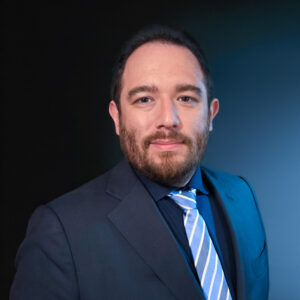
Dr. Albert Hinman was a postdoctoral fellow with EBRC from February 2021 to May 2022. He led the projects that culminated in An Assessment of Short-Term Milestones in EBRC’s 2019 Roadmap, Engineering Biology and Actions to Enable an Equitable and Innovative U.S. Bioeconomy. He also served as a Research Associate for the Schmidt Sciences report The U.S. Bioeconomy: Charting a Course for a Resilient and Competitive Future. Following his time at EBRC, he completed the Genetics and Public Policy Fellowship program sponsored by the National Human Genome Research Institute and the American Society of Human Genetics. He was subsequently hired by the U.S. House of Representatives to work on federal science policy issues.

Currently: Professional Staff Member, US House of Representatives

Independent Project



Becky Mackelprang (2018-2019)

Becky Mackelprang is the Director for Security Programs at the Engineering Biology Research Consortium. She leads EBRC’s Security Focus Area, bringing stakeholders across academia, industry, and government together to integrate security awareness into the policy and practice of engineering biology. Becky leads the development of commentary and recommendations on issues such as screening by synthetic DNA providers and the security implications at the intersection of artificial intelligence and engineering biology. She has implemented strategies to incorporate security into researcher education and training. Becky is committed to supporting an engineering biology research and development ecosystem that maximizes societal benefit while using a multi-faceted approach to support safe, secure, and productive innovation. Previously, Becky was an EBRC Science Policy Postdoctoral Scholar, an AAAS Mass Media Fellow, a science communication postdoctoral researcher at UC Berkeley, and received her Ph.D. in Plant Biology from UC Berkeley.

Currently: Director of Security, EBRC

Independent Project


Eric Lee (2018-2019)

Eric Lee, PhD (he/him), is a Senior Biological Scientist in the U.S. Government Accountability Office. He was a postdoctoral fellow at EBRC from 2019-2020. As a fellow, he led and designed the microbiome engineering roadmap and contributed to the materials science roadmap. Prior to EBRC, he received his Bachelor of Arts in Biochemistry from Columbia University and his Ph.D. in Infectious Diseases & Immunity at the University of California, Berkeley. After leaving EBRC, he was a AAAS Science & Technology Policy Fellow at the U.S. Agency for International Development (USAID), and now supports science and technology issues for the U.S. Congress on topics such as regenerative medicine, antiviral drug development, and biosecurity, as part of the Science, Technology Assessment, and Analytics Team at GAO.

Currently: Senior Biological Scientist, Government Accountability Office

Independent Project
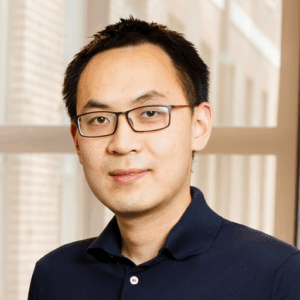


Risk Mitigation for Biological Design Tools

Publication Date: September 2025

The intersection of artificial intelligence (AI) with the life sciences is rapidly reshaping what is possible across myriad sectors, including engineering biology. These possibilities include beneficial applications, like vaccine development, and also potentially harmful applications, like pandemic pathogen design. This white paper provides commentary and recommendations on risk mitigation strategies that balance the dual-use nature of AI enabled biological design tools.

Jon Arizti Sans

Jon Arizti Sanz is a Schmidt Science Fellow in the Hill-Maini Lab at Stanford University. His research work at Stanford involves engineering fungi to transform agricultural and food waste into high-value products, such as protein-rich foods, fertilizers and sustainable materials. Jon got his PhD in Medical Engineering and Medical Physics from MIT and Harvard Medical School, where he developed genomic technologies for rapid and decentralized pathogen detection under Prof. Pardis Sabeti’s supervision. He’s interested in biosecurity, emerging technology regulation and the nexus of synthetic biology and security. Jon is originally from Spain.

Leah Davis

Leah is a postdoctoral research fellow in bioengineering and marine biotechnology at the National Oceanic and Atmospheric Administration (NOAA). Her current work centers on the development of rapid, in-situ whole-cell microbial biosensors for monitoring water quality and detecting disease. She earned her Ph.D. in Biomedical Engineering from Rowan University, where she focused on engineering mammalian whole-cell biosensors for broad applications in both biomedical research and environmental monitoring. Leah holds a bachelor’s degree in Energy Engineering from The Pennsylvania State University, where she completed four internships and worked full-time for a year following graduation. If she’s not in the lab you can find her with her pug, Chicken Nugget.

Yunqing Wang

Yunqing Wang is a bioengineering PhD candidate in the Demirer Lab at Caltech. Her research focuses on developing plant genome engineering tools and engineering plant-microbe communication channels. As Mentorship Chair, she is committed to fostering meaningful and engaged connections between young professionals and experts. In her free time, Yunqing enjoys staying active and outdoor activities.

Abhishek Kumar Sen

Abhishek Kumar Sen earned his Ph.D. in Cellular, Molecular, and Structural Biology from Miami University in 2025. He brings over 8 years of combined research experience across academia and industry, having held positions at Johnson & Johnson, Merck, and the Indiana University School of Medicine prior to his doctoral studies. Currently, he serves as an Industry Liaison on the EBRC SPA Board, where he leverages his expertise to strengthen collaborations between academic research and industrial innovation. Throughout his career, Abhishek has mentored undergraduate and graduate students as well as research staff, and he remains committed to bridging the gap in his current role.

Ruixue Zhang

Ruixue is a Ph.D. candidate in Prof. Fuzhong Zhang’s Lab at Washington University in St. Louis. Ruixue specializes in bacterial stress response mechanisms, utilizing advanced gene engineering techniques, microscopy, and fluorescence assays to analyze cell behavior and investigate mutations during the bioproduction scale-up process. In her free time, she enjoys traveling and cooking.

Talia Jacobson

Talia is a Ph.D. student advised by Catalin Voiniciuc at the University of Florida, where her research focuses on utilizing synthetic yeast systems to understand and engineer plant cell wall polysaccharide biosynthesis. She earned her B.S. in genetics from Purdue University and as an EBRC SPA member, Talia serves as the Podcast Chair.

EBRC to Collaborate on NSF CFIRE and USPRD Initiatives

The National Science Foundation (NSF) announced the launch of Advancing Cell-Free Systems Toward Increased Range of Use-Inspired Applications (CFIRE), a new $32.4 million initiative that will support four research teams to transform cell-free engineering and applications across industries. This initiative aims to accelerate innovation across sectors and strengthen U.S. leadership in the bioeconomy.

EBRC is excited to work alongside our partners from the University of Tennessee, Knoxville, University of Michigan, Georgia Institute of Technology, b.next, University of Minnesota, Tulane University, exozYmes, and Roke Biotechnologies to develop a robust framework for standards and metrics that will aid in the adoption and scalability of cell-free technology. You can learn more about CFIRE here.

We’re also thrilled to collaborate on NSF’s Use-Inspired Acceleration of Protein Design (USPRD) program with partners from Ginkgo Bioworks, Koliber Bio, University of California, San Francisco, Stony Brook University, and Sepia Biosciences to advance new approaches in protein design that unlock powerful applications for the bioeconomy. You can learn more about USPRD here.

Across both initiatives, EBRC is committed to supporting efforts in biosecurity, ethics, and ELSI to guide responsible and impactful innovation. Please reach out to Emily (CFIRE) or India (USPRD) with any questions or if you would like to further discuss the initiatives. Keep a lookout for updates on our website!

Guillaume Cottarel

Guillaume earned his PhD in Molecular Biology and Microbiology from the University of Giessen in Germany. With over twenty-five years of extensive experience in the biotechnology sector, he has demonstrated a strong ability to conceptualize and initiate scientific programs, lead scientific teams, and manage both projects and third-party collaborations effectively. His comprehensive technical expertise, coupled with his business acumen, has played a pivotal role in the success of several companies. Additionally, he is a co-author of 27 publications and a co-inventor on 16 patents.

Romel Menacho

Dr. Romel Menacho-Melgar earned his Ph.D. in Biomedical Engineering from Duke University under the mentorship of Dr. Michael D. Lynch. He is the Co-Founder and Chief Scientific Officer of Roke Biotechnologies, a Duke spinout focused on low-cost, scalable protein manufacturing. At Roke, he leads R&D, manufacturing, and commercialization efforts, and has secured over $1M in non-dilutive funding. His work focuses on developing standardized, growth-decoupled protein expression systems and engineering E. coli strains with enhanced expression and built-in downstream simplification.

Laura Shelton

Laura Shelton is a biotech strategist and scientific communicator at bitBiome, where she helps bring next-generation enzyme discovery technologies to the forefront of industrial and academic innovation. With a Ph.D. in biochemistry and metabolomics, Laura has spent her career exploring how small molecule pathways shape biology—and how we can harness them for real-world applications. At bitBiome, she plays a key role in translating advanced microbial genomics and enzyme engineering into stories and strategies that resonate with scientists, partners, and industry leaders.

EBRC 2025 Council Retreat

The EBRC 2025 Council Retreat will be hosted at the National Academy of Sciences in Washington, DC December 2-3, 2025. Location to be announced.
Register here

Travel Support and Meeting Hotel:
We anticipate covering airfare and hotel expenses for EBRC Academic Council Members. To book your flights, please contact us at travel@ebrc.org. Please review EBRC’s revised travel policy.

Hotel information will be provided soon.

Health and Safety:
We are committed to hosting a safe event. We will be closely watching CDC recommendations in addition to all relevant local and state guidelines leading up to the Retreat and make any changes necessary for health and safety.